
Pet Feeding Tips
Feeding time should be one of the easiest parts of pet ownership — but in practice, it's where most owners run into trouble. Below, we've pulled together the ten most common feeding problems for dogs and the ten most common feeding problems for cats, along with practical, vet-backed solutions for each. This guidance draws on published recommendations from the World Small Animal Veterinary Association (WSAVA), the American Animal Hospital Association (AAHA), the Tufts Cummings School of Veterinary Medicine, the Cornell Feline Health Center, and the Merck Veterinary Manual.
This page is general information, not a substitute for individual veterinary advice. If your pet has sudden appetite changes, repeated vomiting, weight loss, or any other concerning symptoms, please contact your vet.
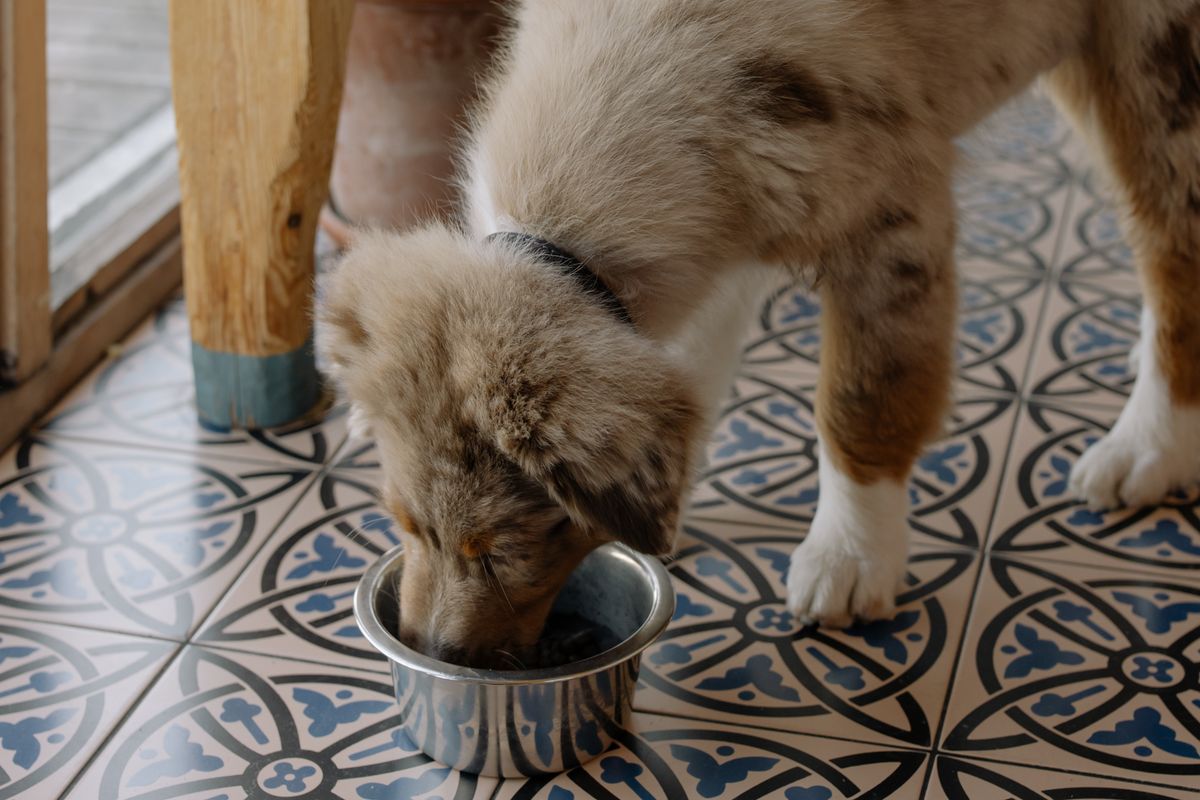
Feeding Problems in Dogs
1. Picky eating or food refusal
A dog who turns their nose up at dinner is often responding to boredom, stress, an unappealing texture, or simply too many treats filling them up beforehand. Stick to a consistent, complete and balanced diet rather than switching brands every time your dog hesitates — constant variety can actually train dogs to hold out for something better. Feed on a set schedule, remove uneaten food after 15–20 minutes, and cut back on treats and scraps so mealtime hunger returns. If refusal persists beyond a day or two, or is paired with lethargy or vomiting, see your vet to rule out a medical cause.
2. Eating too fast
Gulping food can cause regurgitation, choking, and — in deep-chested breeds like Great Danes, German Shepherds, and Labradors — contributes to the risk of gastric dilatation-volvulus (GDV or "bloat"), a life-threatening emergency. Slow feeders, puzzle bowls, or scattering kibble on a mat all reduce eating speed. Vets also recommend splitting the day's food into two or more smaller meals rather than one large one, avoiding raised bowls, and limiting vigorous exercise for an hour either side of a meal.
3. Begging and too many treats
Treats, training rewards, dental chews, and table scraps all count toward daily calories, and they add up faster than most owners realise. The general rule from veterinary nutritionists is to keep treats to no more than 10% of total daily calories, with the rest coming from a complete and balanced main diet. Swap high-calorie extras for small pieces of your dog's regular kibble, plain steamed vegetables, or measured low-calorie treats, and ask everyone in the household to stick to the same rule.
4. Weight gain and obesity
Obesity is the most common nutritional problem seen in dogs and is linked to arthritis, diabetes, and a shorter lifespan. Rather than relying on the feeding guide on the bag — which is only a starting estimate — ask your vet for a calorie target based on your dog's ideal weight, and weigh food rather than eyeballing it. Regular body condition scoring at check-ups helps catch weight creep early, before it becomes a harder habit to reverse.
5. Food allergies and sensitivities
True food allergies usually show up as itchy skin (often the ears, paws, face, or belly), recurrent ear or skin infections, or gastrointestinal upset, rather than the immediate reactions people imagine. Beef, dairy, chicken, and wheat are the most frequently reported triggers. The only reliable way to diagnose a food allergy is a strict elimination diet — typically a novel protein or hydrolysed diet fed exclusively for around 8–10 weeks — followed by a supervised food challenge. This should be done under veterinary guidance rather than through repeated at-home trial and error.
6. Vomiting or diarrhoea after meals
Occasional soft stool or an isolated vomiting episode is often linked to eating too fast, a rich treat, or scavenging something they shouldn't have. Feeding smaller, more frequent meals and keeping the diet consistent reduces the likelihood of digestive upset. Persistent vomiting, diarrhoea lasting more than a day, blood in the stool, or vomiting paired with a distended abdomen all warrant an urgent vet visit rather than a wait-and-see approach.
7. Poorly managed diet transitions
Switching foods abruptly is one of the most common causes of loose stool and stomach upset. Transition over 7–10 days, gradually increasing the proportion of new food while decreasing the old — for example, 25% new food for the first two to three days, moving up in quarters until the changeover is complete. Dogs with sensitive stomachs may need an even slower transition.
8. Feeding an incomplete or "supplemental only" diet
Not every product on a pet food shelf is designed to be a full diet — some treats, toppers, and mixers are explicitly labelled "for intermittent or supplemental feeding only" and are missing essential nutrients if fed as the main meal. Always check the packaging for an AAFCO (or equivalent) nutritional adequacy statement confirming the food is "complete and balanced" for your dog's life stage before making it the mainstay of their diet.
9. Feeding the wrong life stage food
Puppy, adult, senior, and large-breed growth formulas are balanced differently — a growing large-breed puppy fed a standard adult or all-life-stages diet, for instance, can develop skeletal problems from too much calcium or too many calories, too fast. Match the food to your dog's current life stage and breed size, and only transition a puppy to adult food once they've reached skeletal maturity (later for large and giant breeds).
10. Reduced appetite in senior dogs
Older dogs often eat less due to a duller sense of smell, dental disease, or age-related conditions that make eating uncomfortable. A dental check is a good first step, since sore teeth or gum disease are a frequent, fixable cause. Warming food slightly, choosing a softer texture, or switching to a senior-specific formula can also help maintain interest and body condition. Any noticeable, sustained drop in appetite in an older dog is worth a veterinary check-up rather than being put down to "just getting old."
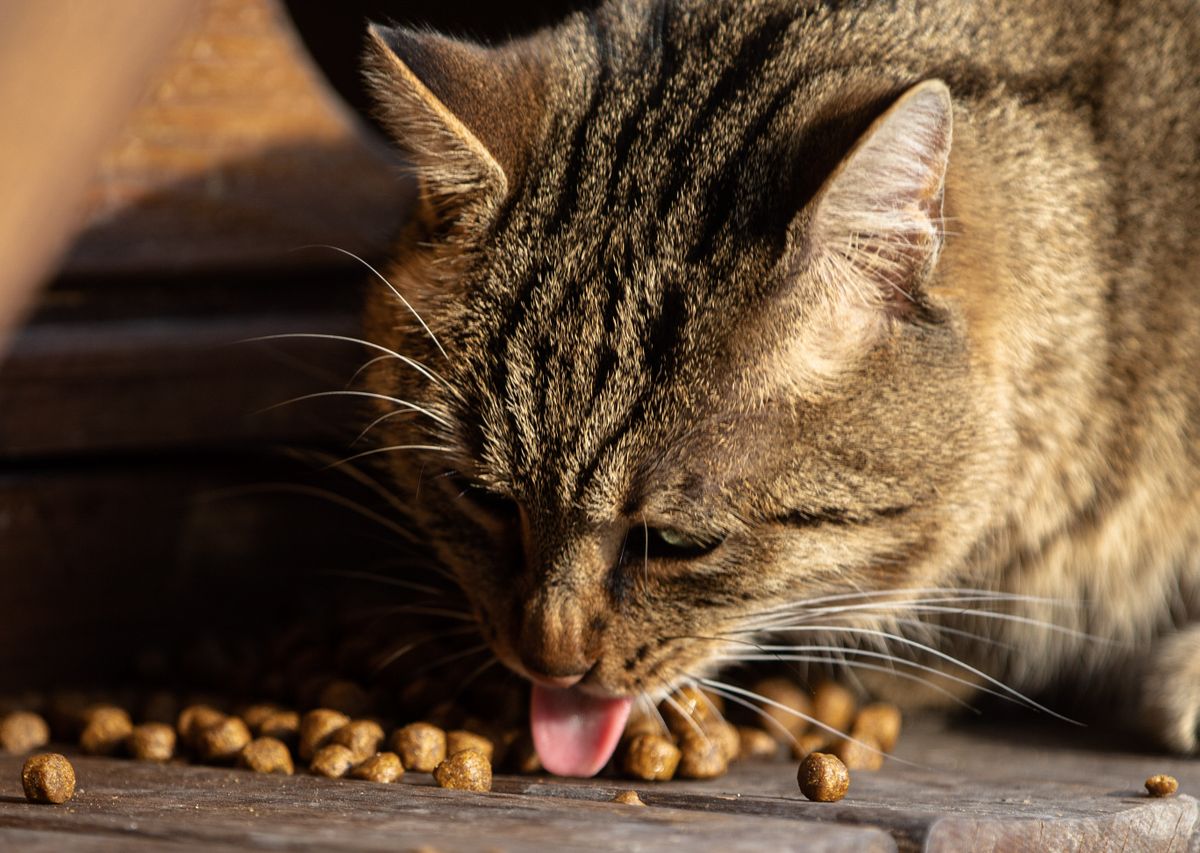
Feeding Problems in Cats
1. Picky eating
Cats are naturally cautious about new foods, and — counterintuitively — offering too much variety can make pickiness worse, not better, by encouraging cats to hold out for the next new flavour. Vets recommend consistency over variety: settle on one or two complete and balanced foods rather than rotating constantly, and introduce any change gradually. Keep the feeding area calm, quiet, and away from litter trays or busy foot traffic, since stress is a common reason cats go off their food.
2. Obesity and weight gain
Obesity is the single most common feline nutrition problem, largely driven by indoor cats getting less exercise, energy-dense modern diets, and free-choice ("grazing") feeding that makes it easy to overeat. Feed measured portions at set times rather than leaving food out all day, use your vet's calculated calorie target rather than the guideline on the bag, and add a feeding puzzle or activity toy to slow eating and boost movement. Regular weigh-ins catch gradual weight gain before it becomes a bigger problem.
3. Not drinking enough water and urinary tract issues
Cats have a naturally low thirst drive, and inadequate hydration is a major contributor to feline lower urinary tract disease (FLUTD) and bladder crystal or stone formation. Feeding wet or canned food (which is roughly 75%+ moisture, compared to around 10% for dry kibble) is one of the most effective ways to increase a cat's total water intake. Provide multiple bowls of fresh water around the house, consider a cat water fountain, and keep feeding routines consistent, since sudden changes can trigger stress-related urinary flare-ups (feline idiopathic cystitis) in susceptible cats.
4. Hairballs
Occasional hairballs are normal in grooming cats, but frequent hairballs can signal excessive shedding, over-grooming from stress or skin irritation, or a diet that isn't supporting healthy digestion and coat condition. Regular brushing reduces the amount of hair your cat swallows, and a diet with appropriate fibre supports natural passage of hair through the gut. Hairballs more than once a week, or paired with vomiting, lethargy, or reduced appetite, should be checked by a vet.
5. Vomiting shortly after eating
Cats that eat too quickly, especially in multi-cat households where there's competition for food, often regurgitate shortly after a meal. Using a slow-feeder bowl, splitting meals into smaller, more frequent portions, and feeding cats separately if there's competition at the bowl usually resolves this. Frequent vomiting unrelated to eating speed can indicate an underlying digestive, dietary, or medical issue and should be assessed by your vet.
6. Free feeding and grazing all day
Leaving a full bowl out around the clock is convenient, but it makes it very difficult to track how much your cat is actually eating — and it's one of the biggest drivers of feline obesity. Scheduled meals two to four times a day make overeating far easier to spot and control, and they let you notice a drop in appetite quickly, which is an important early warning sign in cats.
7. Food allergies and sensitivities
In cats, food allergies most often appear as itching around the face, ears, and neck, over-grooming, hair loss, or gastrointestinal signs like vomiting or diarrhoea. Beef, fish, and chicken are the most commonly reported triggers. As with dogs, a proper diagnosis requires a strict elimination diet trial of roughly 8–10 weeks using a novel protein or hydrolysed food, followed by a controlled challenge — done with veterinary guidance rather than guesswork.
8. Loss of appetite (feline anorexia)
Cats that stop eating, even for just a day or two, are at real risk of developing hepatic lipidosis (fatty liver disease), a serious and potentially life-threatening condition that's unique to the species. Unlike dogs, cats should never be left to "wait out" a lack of appetite. Any cat that refuses food for more than 24 hours, or shows a marked drop in intake alongside lethargy or weight loss, needs prompt veterinary attention.
9. Poorly managed diet or routine changes
Cats are creatures of habit, and abrupt changes to food, feeding location, or routine can cause digestive upset or, in sensitive cats, trigger stress-related urinary symptoms. Introduce new foods gradually over seven to ten days, and keep mealtimes, bowls, and feeding locations as consistent as possible, especially during other household changes.
10. Feeding an unbalanced homemade or raw diet
Cats are obligate carnivores with specific nutrient requirements that are easy to get wrong without professional formulation — homemade and raw diets that aren't properly balanced can lead to serious deficiencies over time, and raw diets also carry a bacterial and parasitic contamination risk. Choose foods carrying an AAFCO (or equivalent) complete and balanced statement for your cat's life stage, and if you want to feed homemade or raw, work with a board-certified veterinary nutritionist to formulate it correctly.
The Bottom Line
Most feeding problems come back to the same few fundamentals: a complete and balanced diet suited to your pet's life stage, portions based on their individual needs rather than the guideline on the bag, a consistent routine, and prompt veterinary attention when something changes suddenly. If you're ever unsure whether a feeding habit is normal or worth investigating, your vet is always the best first call.


